

Primary-source baseline captured on 16 July 2026. Carrier acceptance, customs treatment, rates and schedules can change by shipment; recheck the linked authority and the accepting provider before cargo release.
Shipping from China to Australia starts with the importer and commodity evidence, not with a generic transit-time quote. Freeze the packed cargo, pickup point, Australian delivery postcode, importer, customs-declaration path, biosecurity conditions, packaging materials and unloading needs. Then compare air, LCL or FCL offers against the same handoffs, exclusions and cargo version. A forwarder can coordinate the movement, but the importer must resolve customs, permit and biosecurity obligations before release.
Australia shipment release matrix
Use the trigger column to identify what must be resolved before a booking is treated as executable. The matrix separates transport selection from Australian border and biosecurity acceptance.
Information-gain asset: Map shipping from China to Australia from supplier-ready date to final handoff, separating mode, cost factors, customs, destination charges, controllable delays, and shipment-specific assumptions.
| Cargo condition | Starting transport path | Evidence owner | Do not release until |
|---|---|---|---|
| Small urgent commercial cartons | Express or air freight | Importer, supplier and accepting carrier | Commodity acceptance, importer details and final package data are confirmed |
| General palletized cargo | Air freight or LCL | Importer and licensed customs broker | Declaration path, tariff data and destination handling scope are agreed |
| Stable container volume | FCL ocean freight | Importer, forwarder and packing party | Container cleanliness, dunnage, seal and unloading plan are controlled |
| Wood, plant, food or animal-related content | Mode only after BICON review | Australian importer and biosecurity adviser | Permit, treatment, certificate and inspection conditions are documented |
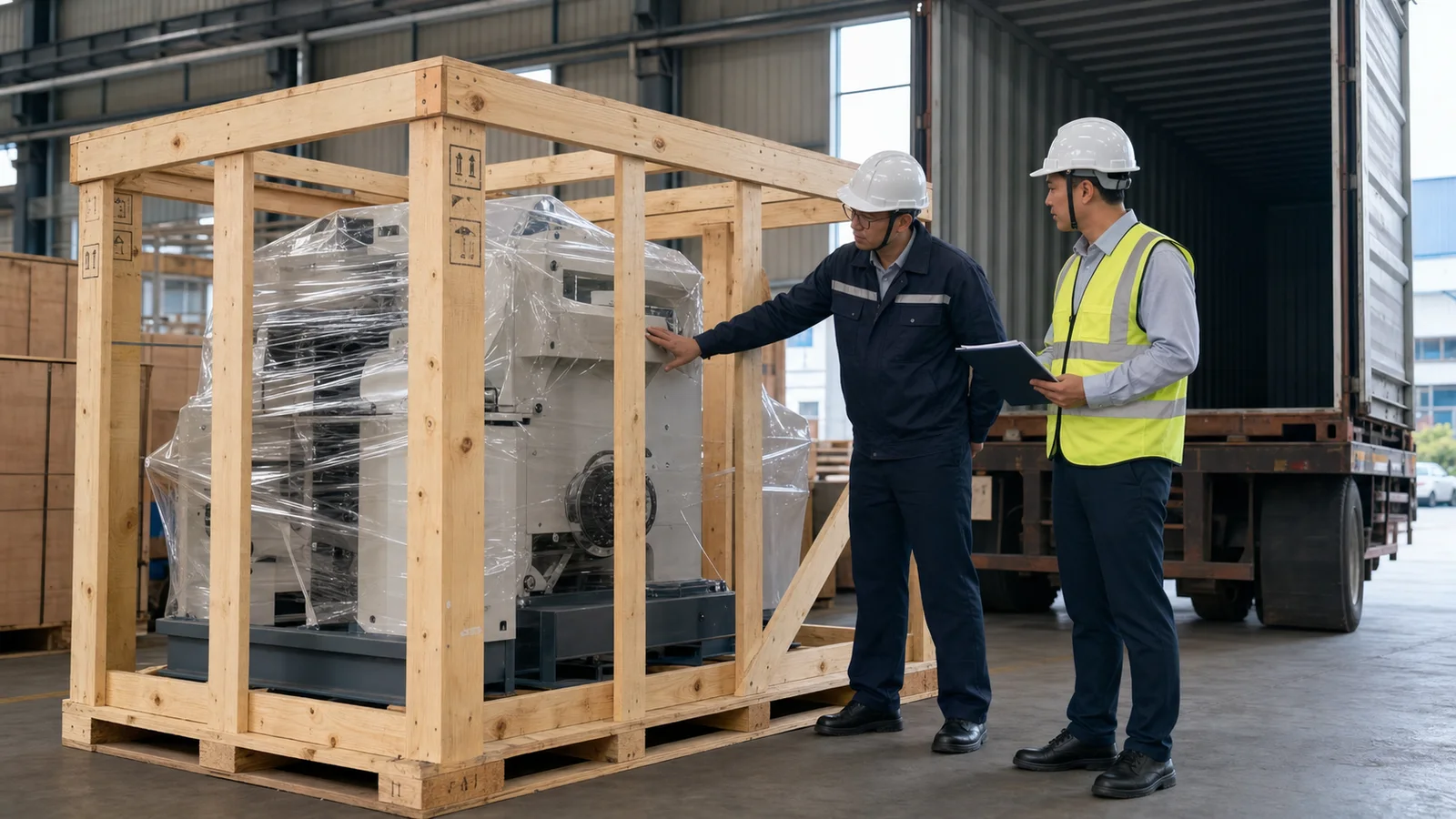
| Machinery or cargo in timber crates | Air or ocean after packing review | Supplier and importer | Commodity and non-commodity packaging evidence both pass review |
Define the route as named custody events
China and Australia are commercial territories, not freight endpoints. State the supplier collection address, export gateway, Australian first arrival point, customs and biosecurity release location, final postcode and delivery condition.
Freeze package count, outside dimensions, gross and net weight, commodity description, battery or dangerous-goods status, packing materials and cargo-ready date. A later pallet, timber brace or protective crate can change chargeable weight, biosecurity evidence, equipment fit and the quoted amount.
Attach an owner and finish record to every handoff. Pickup closes with a signed count, origin acceptance with a carrier or warehouse record, border clearance with the relevant release, and final delivery with a condition and receipt record. A duration without start and finish events cannot be compared fairly.
- Supplier-ready event and loading responsibility.
- China export declaration and carrier cutoff.
- Main movement and any consolidation or transshipment.
- Australian customs and biosecurity release owners.
- Final delivery access, appointment, unloading and proof.
Set the Australian importer and declaration path
Australian Border Force distinguishes declaration paths by value, arrival channel and other conditions. The owner of the goods, or a licensed customs broker acting for that owner, supplies the declaration facts and remains dependent on accurate shipment data.
Resolve the importer before departure. Provide the broker with the commercial parties, detailed goods description, tariff classification proposal, customs value basis, origin, transport details and any restriction or permit status. Do not assume a carrier account makes the carrier the legal importer.
Keep duty, GST, import processing, brokerage, terminal, inspection and delivery lines separate in the landed-cost ledger. The declaration threshold is not a blanket exemption from product restrictions, biosecurity or charges that apply regardless of value.
| Control question | Required answer | Owner | Evidence |
|---|---|---|---|
| Who owns the goods at import? | Named importer and contact | Buyer | Commercial and broker instruction file |
| Who lodges the declaration? | Importer or appointed licensed broker | Importer | Authority and declaration reference |
| What is being imported? | Specific product, use, material and model | Supplier and importer | Invoice, specification and classification record |
| How is value supported? | Transaction and adjustment evidence | Importer | Invoice, payment and valuation file |
Run BICON and packaging checks before booking
Australia regulates biosecurity conditions by the actual goods, origin and associated packaging. Search BICON using a specific commodity description and retain the result used for the shipment decision.
Review both the product and non-commodity materials around it. Timber pallets, crates, dunnage, straw, soil, plant material and contamination can create separate evidence, treatment or inspection needs even when the manufactured product itself is ordinary commercial cargo.
Give the supplier written cleanliness and packaging instructions before packing. Photograph the empty container or crate, treatment marks where relevant, contact surfaces and the final closed load. If conditions change, rerun the review rather than editing a certificate to fit new cargo.
- BICON case and condition version reviewed by the importer.
- Permit or certificate requirement and named issuer.
- Timber packaging treatment and mark evidence where applicable.
- Container, cargo and packaging cleanliness record.
- Inspection, treatment, export or disposal cost owner.
Compare air, LCL and FCL on the same scope
Mode selection should protect the required delivery event while preserving customs, biosecurity and final-mile control. Compare all options using the final packed cargo and identical endpoints.
Ask each provider to label confirmed charges, estimates, pass-through amounts, validity dates and excluded events. A low main-freight line does not reveal destination terminal, biosecurity inspection, storage, treatment, customs or delivery-site exposure.
Do not publish or promise a fixed route duration from a timetable snapshot. Record booking availability, cutoff, departure, arrival, availability, border release and final delivery as separate stages with an exception owner.
| Option | Useful condition | Cost basis to verify | Operational check |
|---|---|---|---|
| Express | Few accepted cartons need door delivery | Billable weight, remote area and clearance services | Package and commodity limits |
| Air freight | Commercial cargo needs a controlled urgent path | Chargeable weight, terminals, brokerage and delivery | Acceptance and destination handoff |
| LCL ocean | Volume does not justify a dedicated container | CFS minimums, origin and destination handling | Deconsolidation and biosecurity access |
| FCL ocean | Volume or cargo control supports a container | Container, port, free time and trucking | Clean load, seal, delivery and unloading |
Build a release file that survives an exception
A usable file lets the importer, broker, forwarder and supplier identify the same goods after an inspection request, packing change or declaration query.
Use one version index across the purchase order, invoice, packing list, transport instruction and certificates. Reconcile package marks, model descriptions, quantities, weights and values before pickup. Mark estimates and replace them with measured values before final carrier submission.
Set escalation rules for holds. The importer owns customs and biosecurity decisions; the broker or adviser communicates technical requirements; the forwarder manages transport handoffs; the supplier supplies product and packing evidence. Record who may approve treatment, storage, return or disposal cost.
- Approved cargo and document version number.
- Importer, broker and biosecurity contact path.
- BICON result and supporting product evidence.
- Origin, carrier and destination handoff records.
- Exception authority and cost approval limit.
Worked control example: timber-crated machinery to Melbourne
A buyer requests door delivery for one machine in a timber crate. The initial quote uses the bare-machine dimensions and says nothing about the wood, importer or unloading site.
- The supplier issues final crated dimensions, gross weight, lifting points, product description and photographs of timber marks and clean packing.
- The Australian importer checks the commodity and non-commodity packaging in BICON and asks its broker to confirm classification, value and declaration data.
- The forwarder requotes air and ocean options with the same crate, customs and biosecurity handoffs, final postcode and unloading condition.
- The team releases only after the packing evidence, import path, delivery equipment and exception-cost authority are attached to one shipment version.
The decision is based on an accepted packed unit and named border controls, preventing the common failure where a transport booking is valid but the cargo file is not.
Failure controls before cargo release
Use this table as a stop-release check. A responsible owner should resolve each trigger against the same cargo and document version before the shipment moves to the next handoff.
| Failure trigger | Operational consequence | Required control |
|---|---|---|
| No named Australian importer | Declaration and release responsibility remains unresolved | Name the importer and broker authority before departure |
| BICON checked with a broad product name | Commodity or packaging conditions may be missed | Search the specific material, use and origin and retain the result |
| Quote uses pre-packing dimensions | Mode fit and price can change after crating | Requote against measured final packages |
| Timber or container contamination is undocumented | Inspection, treatment or other intervention may follow | Apply packing instructions and keep marks, cleanliness and loading evidence |
| Door delivery omits unloading conditions | The final vehicle or site cannot complete delivery | Confirm access, appointment, equipment and receiver before booking |
Quote-ready data handoff
Send the inputs together and label estimates. This gives the forwarder, carrier, broker and consignee one controlled starting version instead of a price request assembled from conflicting messages.
- China pickup address and cargo-ready event
- Australian final postcode and delivery condition
- Importer and licensed-broker contact
- Specific commodity, materials, use and model
- Package count, final dimensions, gross and net weight
- Battery, dangerous-goods or acceptance-sensitive contents
- BICON, permit, treatment and certificate findings
- Packing materials including timber and dunnage
- Commercial value, currency, Incoterm and origin
- Required delivery event, site access and unloading plan
Primary sources and verification boundary
These sources support the document, customs or dangerous-goods distinctions used in this guide. They do not replace a product-specific ruling, licensed customs advice or carrier acceptance for the actual shipment.
- Australian Border Force – Import Declarations: Australian commercial import declaration, customs-control, duty, tax and licensed-broker responsibilities.
- Australian Department of Agriculture, Fisheries and Forestry – Importing goods: Australian biosecurity import conditions vary by commodity and origin and must be checked before dispatch.
- Australian Biosecurity Import Conditions system: BICON identifies whether goods can be imported, the evidence required and whether an import permit or food-safety condition applies.
- Australian Department of Agriculture, Fisheries and Forestry – Cargo container biosecurity: Container cleanliness, timber packaging, dunnage and commodity documentation affect Australian biosecurity release and treatment exposure.
- General Administration of Customs of China – Import and Export Declaration Documents: China export declarations may require the contract, invoice, packing list, manifest, transport document and applicable licences to reconcile.
- International Chamber of Commerce – Incoterms rules: Incoterms allocate delivery tasks, costs and risks; they do not replace a written freight scope.
Related Sendwin resources and next actions
Use the links below to move from the reference answer into a live shipment decision. Each anchor identifies the destination topic so the relationship remains useful to buyers and search systems.
Compare this lane with other country-level controls in the shipping routes from China hub.
Map the declaration and release owner with the customs clearance guide.
Reconcile the shipment file through the shipping documents hub.
Separate confirmed and contingent charges using the shipping cost control guide.
Build stage-level ranges with the shipping time planning guide.
For time-sensitive accepted cargo, review air freight from China.
Send one controlled cargo version through the shipment quotation request.
Continue the route and handoff workflow with the shipping from China to Canada.
Frequently asked questions
The short answers below preserve the responsibility boundary. Confirm the actual cargo, date, lane, importer and accepting provider before relying on a general answer for release.
Who is responsible for Australian import declarations?
The importer or owner is responsible for the declaration facts and may appoint a licensed customs broker. The forwarder can coordinate files but does not remove the importer’s legal responsibilities.
Does a low-value shipment avoid Australian biosecurity rules?
No. Customs declaration and charge thresholds do not eliminate commodity restrictions, permits or biosecurity conditions. Check the actual goods and packaging in BICON.
Why must timber packaging be declared separately?
Timber pallets, crates and dunnage can carry biosecurity risk and may need treatment, marks or other evidence independent of the product inside.
Can a forwarder guarantee customs and biosecurity release time?
No reliable general guarantee can cover an unknown shipment. Plan stage ranges, submit complete evidence early and name owners for customs, biosecurity and inspection responses.
Ready to test the plan against final cargo data? Request a shipment-specific freight quotation.